Have you ever owned a piece you loved but rarely wore because the fit wasn’t quite right? Maybe it looked good standing still, but felt uncomfortable once you moved. Those subtle fit issues can keep great clothing stuck in the back of your closet. Alterations help unlock the full potential of the pieces you already own.
Alterations are meant to be precise, personal, and practical. When handled professionally, they enhance the garment without changing its character. The process is quiet, detailed, and surprisingly impactful.
In this post, we walk through what actually happens during the alteration process and why professional tailoring often leads to better, longer-lasting results.
The alteration process begins with an initial fitting, where the garment is evaluated on the body it’s meant to fit. At this stage, the tailor observes how the clothing sits, moves, and responds to your posture in real time. Pins are placed to indicate where fabric needs adjustment, removal, or reshaping.
Pins communicate specific instructions rather than general preferences. Each placement indicates how the fabric should change during sewing.
These markers help the tailor translate how the garment fits on your body into precise adjustments at the worktable. Simply put, pinning transforms a fitting discussion into a clear, actionable plan for refinement.
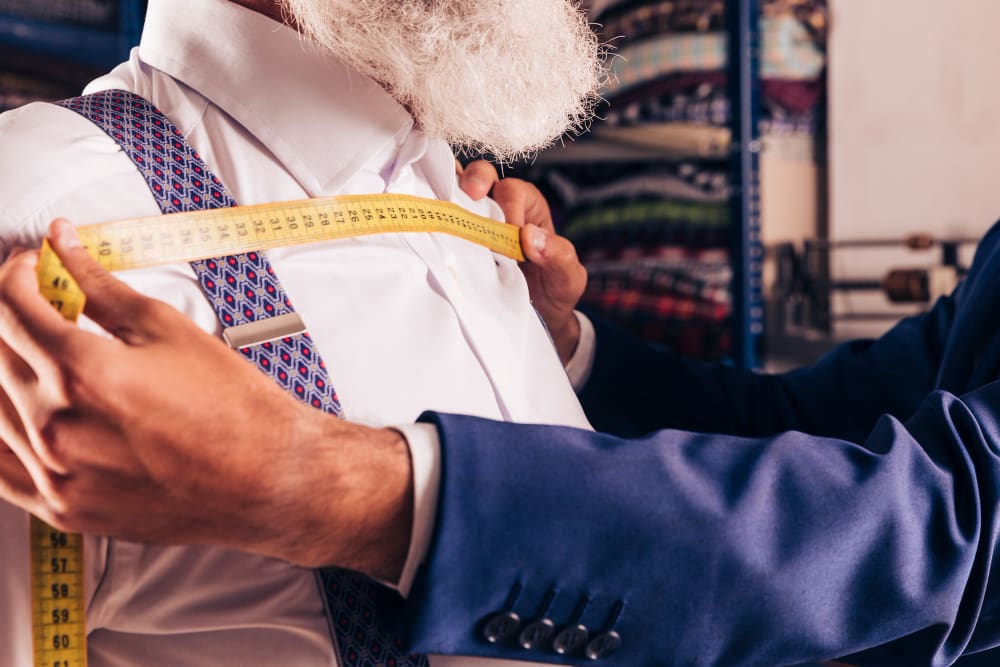
After pinning, the tailor takes precise measurements and reviews the construction of the garment. This step examines how the fabric moves, how the seams maintain their shape, and how design details affect the changes that can be made. Individual materials stretch, drape, and recover differently, which influences how alterations are made.
Tailors assess more than size; they analyze how the garment was built.
These factors explain why not all garments can undergo the same alteration process, even when they appear similar on the hanger. By the end of this assessment, the tailor has a clear plan for what can be adjusted neatly and what should be left as is.
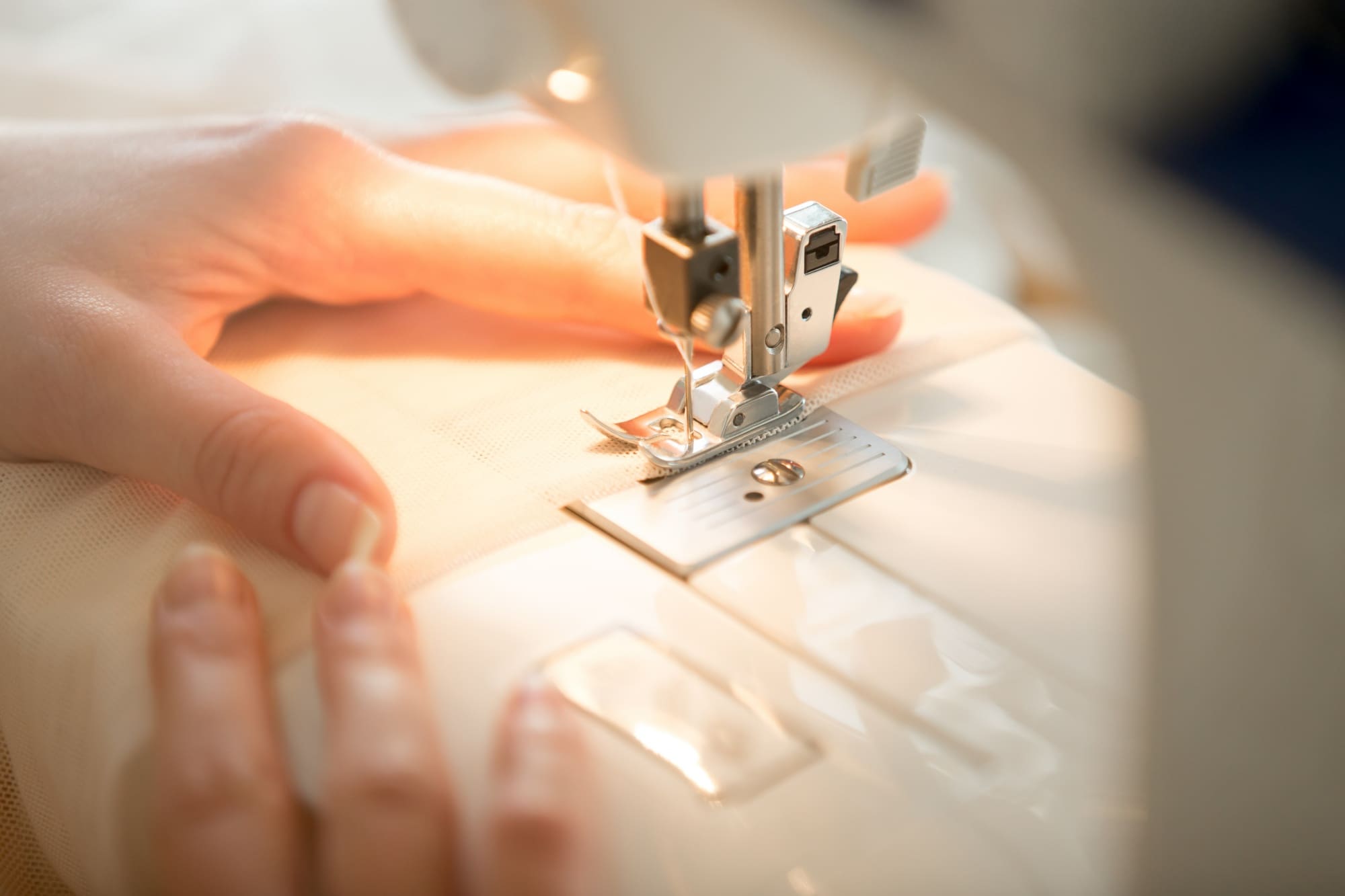
This is the stage where careful planning becomes skilled hands-on work. The tailor cuts, stitches, and reshapes the garment based on the pinned markings and measurements. Each adjustment focuses on improving the fit while maintaining the original design and proportions of the garment.
The actual alteration work involves deliberate, controlled steps rather than rushed fixes.
This part of the alteration process shows why experience makes a visible difference in how clothing fits and holds up over time. Careful execution ensures the garment looks refined, not reworked.
The final fitting focuses on how the altered garment feels and moves when worn again. At this stage, the tailor checks for balance, comfort, and ease of movement rather than making major structural changes. Small refinements often become noticeable once the garment has settled on the body after the first round of alterations.
Final fittings focus on subtle but important details.
These detailed checks explain why a single fitting is not always sufficient, especially for tailored or formal garments. The final result should feel natural, balanced, and effortless.
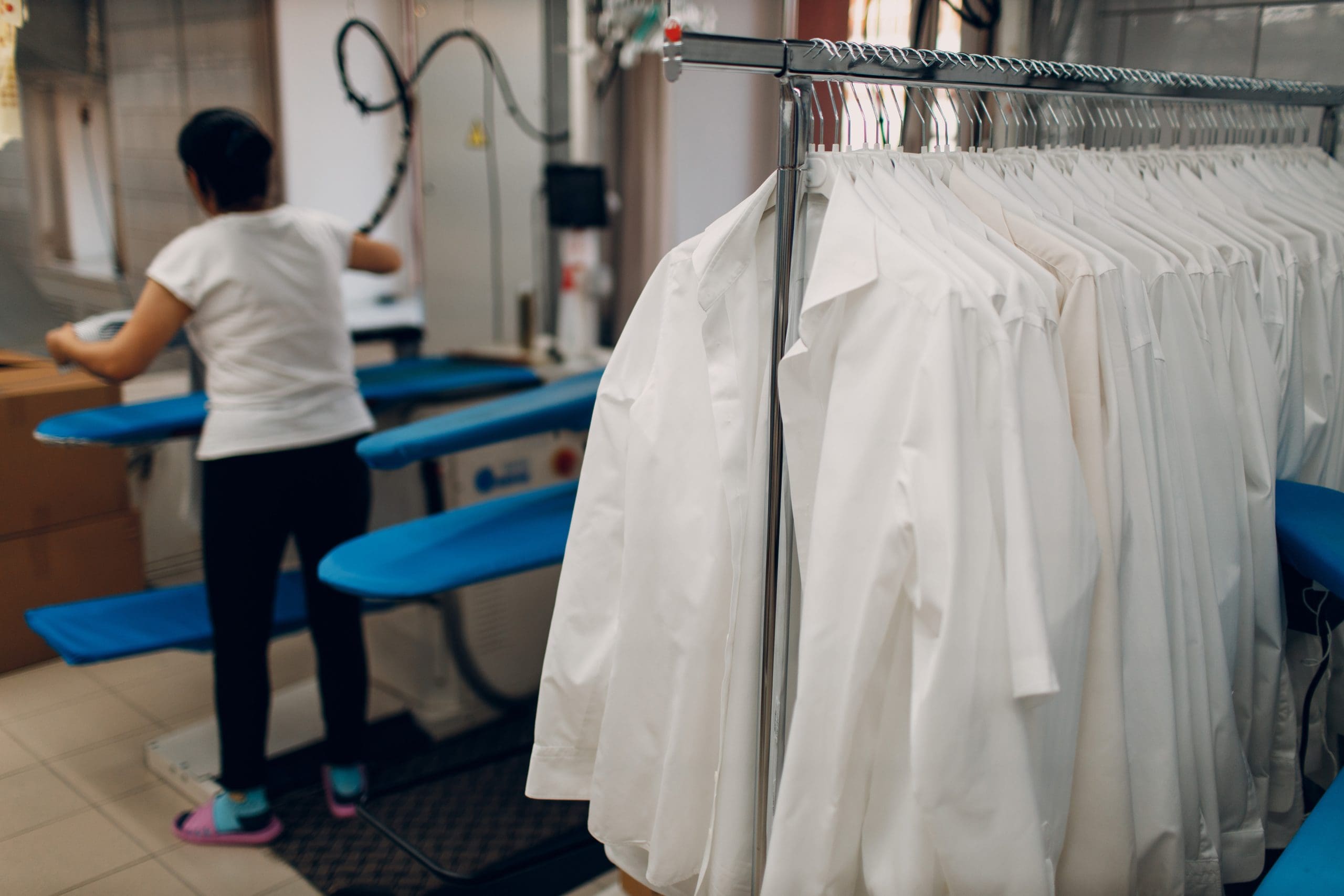
Professional alterations utilize skilled judgment, proper tools, and meticulous finishing to enhance the final fit. Experienced tailors consider how a garment will wear over time, not just its appearance at first. Industrial machines and professional pressing help create clean lines and lasting results.
Professional outcomes come from layered skills, not just sewing ability.
These elements create alterations that feel seamless rather than added on. Ultimately, professional alterations allow garments to look and perform as if they were made specifically for you.