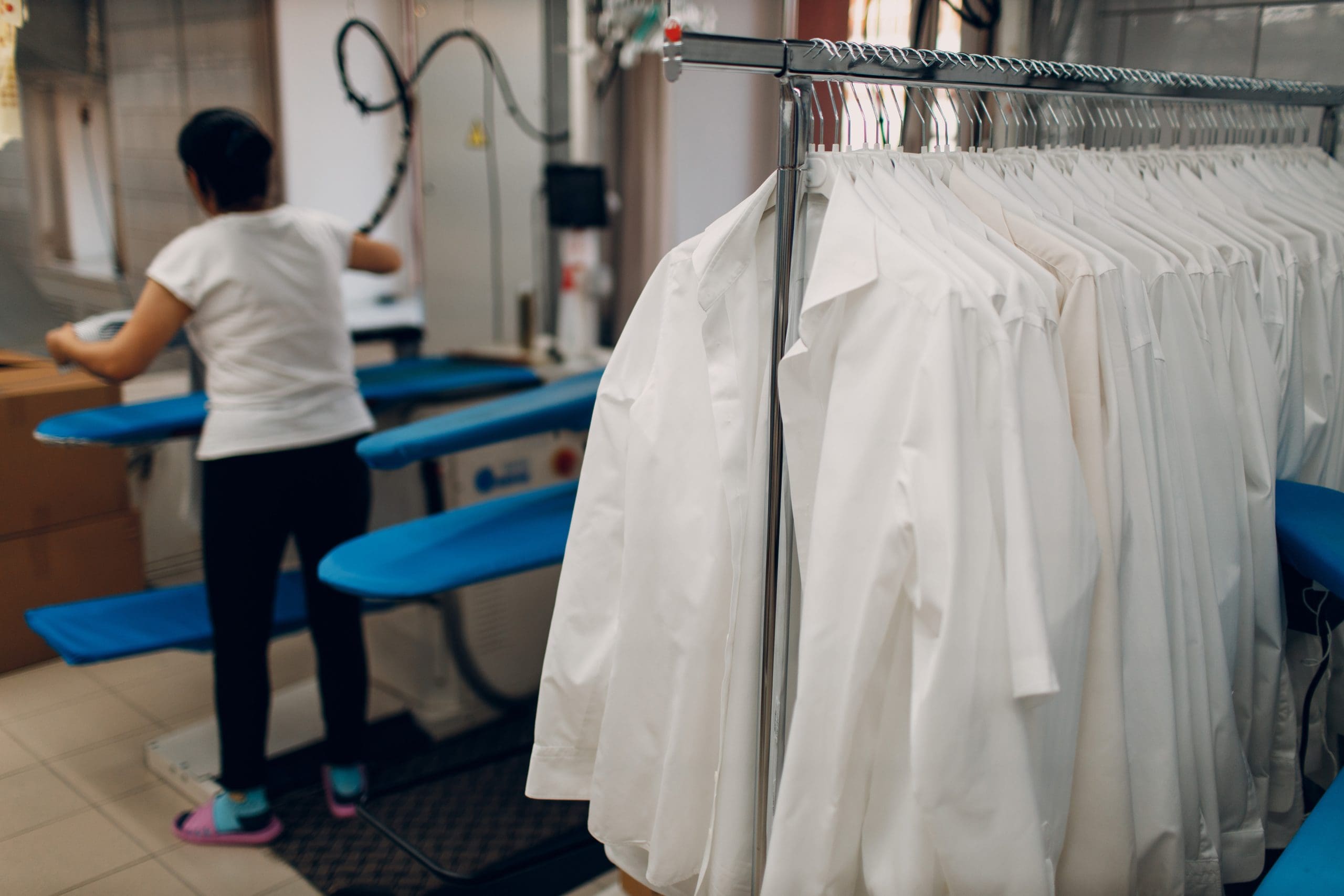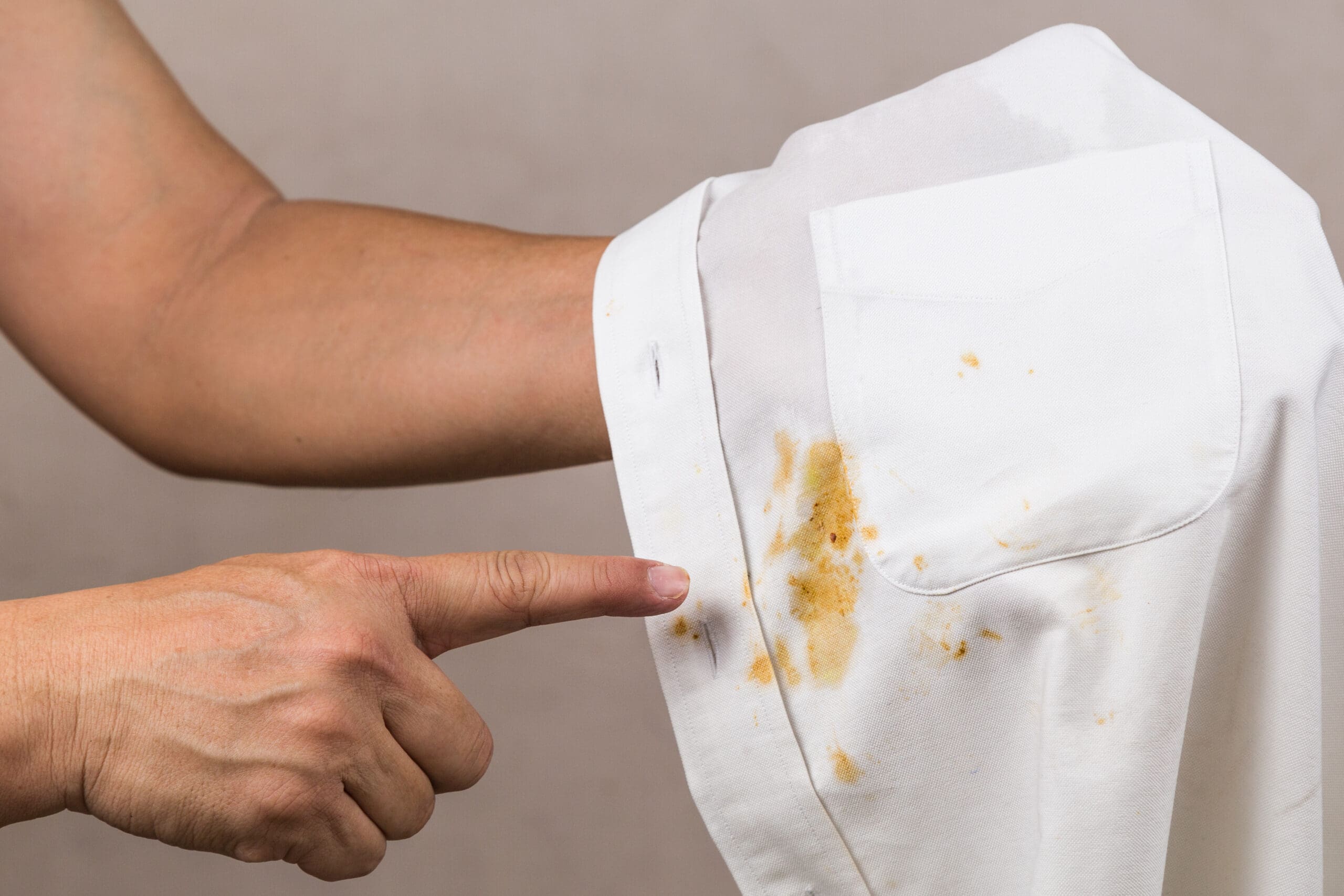
Oil splatter from cooking. Foundation along a collar. Grease from a car door. One thing is common for these stains – they don’t always come out in a regular wash. In fact, water can make oil-based marks harder to remove.
Oil doesn’t break down the same way as sweat or dirt. Oil-based stains require a different cleaning process and often need targeted pretreatment before the main cleaning cycle even begins. Without that, the stain may lighten but still remain embedded in the fibers.
To know what kind of results to expect, let’s take a closer look at why professional dry cleaning is especially effective against oil-based stains.
Dry cleaning is specifically suited for stains that water alone cannot remove. When you spill oil or grease, it does not dissolve in water, which is why a regular wash can leave behind a faint shadow.
Professional dry cleaning uses specialized solvents that break down oily residue and release it from the fabric. This makes it especially effective for makeup marks, cooking grease, and body oils that build up on collars and cuffs.
Professional dry cleaners use a structured process designed for accuracy and fabric protection.
Each step removes the stain while helping the garment keep its shape. The process is gentle enough to protect delicate fibers in your clothing. At the same time, it cleans thoroughly without damaging the fabric.
Not all oil stains look the same, but many of them respond well to professional cleaning. When oil sinks into your clothing, you will often notice a dark spot that spreads beyond the original spill. Dry cleaning removes oil from deep within the fibers rather than just fading the surface mark.
Here are specific oil-based stains that typically respond well to dry cleaning:
Each type of oil reacts differently once it soaks into fabric. Dry cleaning breaks down the oily part first, which makes the rest of the stain easier to remove. This method cleans your garment thoroughly while helping protect the fabric.
Dry cleaning works well on oil and grease, but the outcome depends on several practical factors. No reputable professional will guarantee complete removal in every situation. The condition of the stain before treatment makes a significant difference. What you do at home can also affect the final result.
Several elements influence how completely a stain lifts:
Silk can trap oil within its fine fibers, while cotton may show shadowing if heat has already set the stain. Synthetics repel water but attract oil, which often makes dry cleaning more effective than laundering. Acting quickly and avoiding heat improves your chances of getting the stain out.
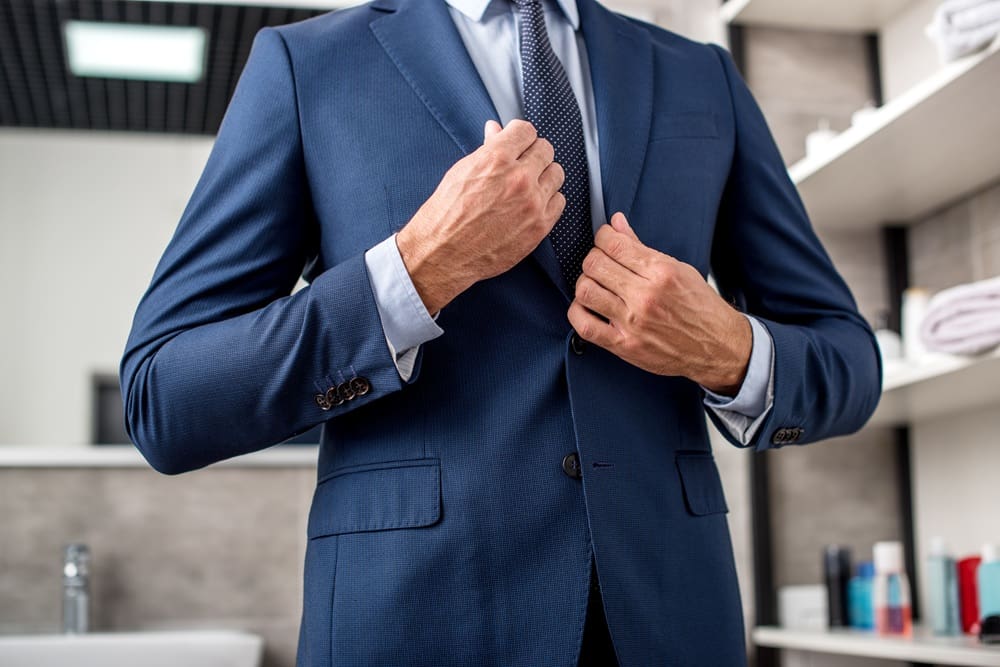
Some garments require professional care as soon as a stain appears. Structured pieces and delicate fabrics need more than basic cleaning. They need protection for their shape, texture, and color. Trying to treat these items at home can cause more harm than the stain itself.
Take these items directly to a dry cleaner:
Structured garments can lose their form when exposed to water, and detailed pieces require controlled treatment. When grease penetrates multiple layers, professional equipment allows each section to be cleaned safely. Taking care of it right away helps keep your clothing looking good and holding its shape.
If you’ve learned anything about oil-based stains, it’s that water alone won’t remove them. When grease or makeup settles into fabric, professional dry cleaning is often the most reliable way to restore your garment without causing further damage.
At Mint Cleaners, we specialize in premium dry cleaning that targets oil-based stains at their source. We restore freshness, sharpen the look of your favorite pieces, and help extend the life of the wardrobe staples on which you rely every day. With FREE Pickup and Delivery Service, taking care of your clothing has never been more convenient.
Looking to book this service? Get in touch with us today!
📞 Call us at +1 469 559-7646
📧 Email us at mintdrycleanersdfw@gmail.com